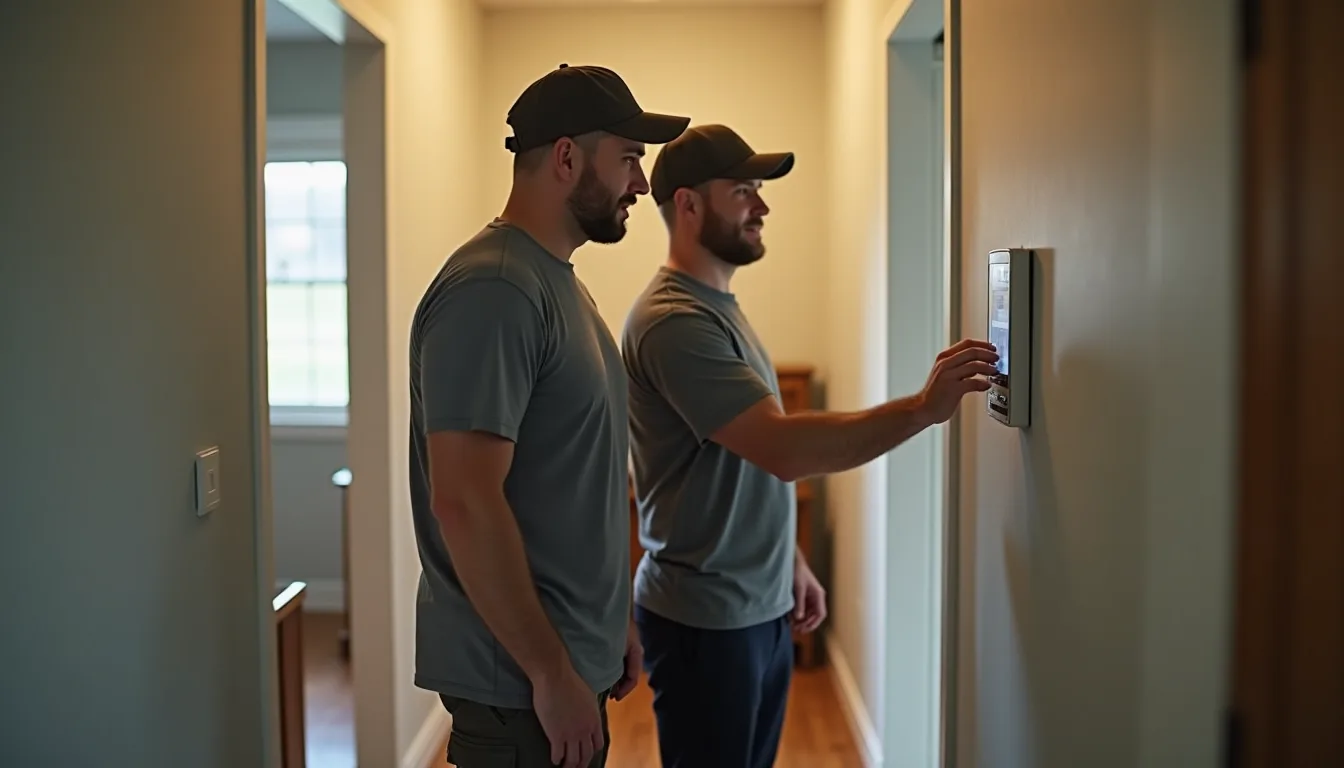
How Much Does HVAC Cost in Indianapolis? 2026 Price Guide
Published: 2026-04-14 · By Heating and Cooling by ClimateKing
As an Indianapolis homeowner, you may find yourself struggling to find the perfect balance between comfort and cost when it comes to heating and cooling your home. With chilly winters and sweltering summers, understanding HVAC costs can make a significant impact on maintaining a comfortable living environment without breaking the bank. You might be wondering, 'What should I expect in terms of HVAC expenses for the year 2026?' Let's delve into this subject and demystify the financial aspects of HVAC for residents in the Indianapolis area.
Why This Matters for Indianapolis Homeowners
Seasonal weather fluctuations can leave many Indianapolis homeowners unsure about their HVAC system's readiness. The changing seasons mean different demands on your heating and cooling systems, which can often lead to unanticipated expenses. In a city with such diverse weather conditions, knowing how these variables affect HVAC costs is crucial for planning your home maintenance budget.
Moreover, local building codes and the energy efficiency of your home add layers of complexity to your HVAC expenses. Residents may be caught off guard if their system requires replacement parts or a new installation to meet current regulations. It's important to stay ahead of these potential costs, particularly as your HVAC system ages.
Local tip: Keep an eye on your utility bills during seasonal changes. Sudden spikes can be a sign that your HVAC system needs maintenance.
Understanding the yearly costs associated with HVAC systems, including routine maintenance, repairs, and energy consumption, can ultimately help you make informed decisions. The more you know, the easier it becomes to budget for a comfortable home throughout the year.
Expert Solutions & Actionable Tips
1. Regular Maintenance is Key
In Indianapolis, regular maintenance plays a crucial role in extending the lifespan of your HVAC system. Scheduling an annual inspection can cost around $100 to $200, but this proactive measure often prevents larger, costlier issues from arising. Late winter is a favorable time for a check-up, ensuring your heater is ready for the last cold snaps.
For air conditioning units, spring maintenance checks are equally important. By investing in routine service, you can often reduce your energy bills by 10% or more, optimizing performance throughout the hotter months.
2. Replacement Costs
When it comes to replacing your HVAC system, costs in Indianapolis can range significantly based on the unit type and size, generally between $5,000 to $12,000. Central air systems are often pricier but more efficient for larger homes.
Labor costs will also add to the total. Expect to pay an average of $75 to $150 per hour for HVAC professionals. Be sure to shop around, as some companies offer financing options that can ease the upfront burden of costs.
3. Seasonal Adjustments
To optimize HVAC efficiency during seasonal changes, consider investing in a smart thermostat. These devices typically cost between $100 and $250 and allow you to program your heating and cooling systems according to your schedule. In Indianapolis, they can help reduce energy costs, especially with Indiana's fluctuating temperatures.
Adjusting settings seasonally is essential to reduce wear and tear, prolonging the life of the unit and minimizing repairs.
4. Emergency Repairs: Be Prepared
Emergency HVAC repairs can hit hard, with costs running anywhere from $150 to several thousand dollars, depending on the issue's severity. Many homeowners in Indianapolis face inflated prices during peak seasons, especially when heating issues arise in winter.
Setting aside an emergency fund of $500 to $1,000 can make a significant difference in managing these unexpected expenses swiftly without added stress.
5. Energy Efficiency Upgrades
Investing in energy-efficient appliances can lead to significant long-term savings. In Indiana, you might consider upgrading a conventional furnace to a high-efficiency model, which can range from $3,000 to $7,000. It’s not just about the initial costs; energy-efficient systems can save you 20% or more on utility bills annually.
There are often local utility programs offering rebates for such upgrades, which can help offset these initial expenses.
6. Understand Local Incentives
In Indianapolis, local utility companies and government programs may offer financial incentives for energy-saving installations. It's worth investigating what rebates are available—these can reduce your overall HVAC costs significantly.
Additionally, first-time rebates for smart thermostats and SEER rating upgrades provide financial relief. Consult your HVAC contractor about local programs to maximize savings during upgrades.
Indianapolis Climate & Local Context
Indianapolis is known for its distinct seasonal variations, so HVAC systems must be robust to handle freezing winters and hot summers. Many homes in the area also reflect older building stock, which can complicate heating and cooling efficiency. Properties constructed in the mid-20th century may require updates to meet current energy standards.
Furthermore, understanding local building permits is essential, especially for major HVAC installations or replacements. Many homeowners in Indianapolis overlook this step, leading to issues that can complicate or delay projects. Always check local codes to ensure compliance.
When to Call a Professional
Determining when to call a professional or tackle HVAC issues yourself can be complex. If a minor issue arises, such as a dirty filter or a blown fuse, you might be able to handle it on your own without incurring costs. However, some situations warrant professional intervention to avoid worsening the problem.
- Repeatedly tripping circuits with no clear cause.
- Strange noises from the HVAC unit.
- Temperature discrepancies between rooms.
- Leaks or moisture near your HVAC system.
- Inadequate heating or cooling despite troubleshooting.
- Gas odors, indicating a potential leak or safety hazard.
Having a reliable HVAC professional on hand, like those at Heating and Cooling by ClimateKing, can pay off in the long run, saving you time and potential costs.
Frequently Asked Questions
What should I do if my HVAC system makes strange noises?
In Indianapolis, strange noises typically indicate a malfunction requiring immediate attention. Calling a professional can ensure safety and prevent further damage.
How often should I schedule maintenance for my HVAC system?
It's advisable to schedule maintenance at least once a year in Indianapolis, ideally before the peak heating or cooling seasons.
Are there any local rebates for HVAC upgrades?
Yes, Indianapolis residents may find various local utility rebates available for energy-efficient HVAC upgrades; check with local providers for specifics.
What’s the average lifespan of an HVAC system?
Typically, HVAC systems last between 15 to 20 years, but proper maintenance can extend their lifespan significantly in the Indianapolis climate.
How do I know if my HVAC system is energy efficient?
Checking the SEER rating of your air conditioning system will help you assess energy efficiency. Higher SEER ratings indicate better energy performance.
Get Expert HVAC Service in Indianapolis
Navigating HVAC costs in Indianapolis can be daunting, but with the right knowledge, you can make informed choices. Whether you need maintenance or a brand-new system, Heating and Cooling by ClimateKing is here to help. Remember, you can reach out to us at (463) 275-3955 for assistance with all your heating and cooling needs.
Stay comfortable in your home through every season—contact Heating and Cooling by ClimateKing today!